

Building website authority in today’s competitive digital ecosystem requires far more than consistently publishing blog posts or updating website pages. Search engines use complex algorithms that evaluate numerous ranking signals to determine which websites deserve higher visibility on search engine results pages (SERPs). Among these ranking factors, backlinks continue to play a central role in establishing credibility, relevance, and trustworthiness.
A backlink is essentially a link from one website to another. In SEO terminology, it acts as a vote of confidence. When reputable, relevant, and authoritative websites link to your content, search engines interpret those links as endorsements. These endorsements signal that your website provides valuable information, which can positively influence rankings. However, not all backlinks carry equal weight. The authority, relevance, and quality of the linking site significantly impact the effectiveness of the backlink.
Why Backlinks Matter for Authority
Search engines aim to deliver the most relevant and trustworthy content to users. Backlinks help them measure trust. If multiple reputable websites link to a specific webpage, it suggests that the content is useful and reliable. Over time, this strengthens domain authority and improves overall organic visibility.
Backlinks also assist search engine crawlers in discovering new pages. When your content is linked from indexed and frequently crawled websites, it increases the likelihood of faster indexing. Additionally, backlinks can generate referral traffic, bringing real visitors to your site from external sources.
Types of Backlink Sources
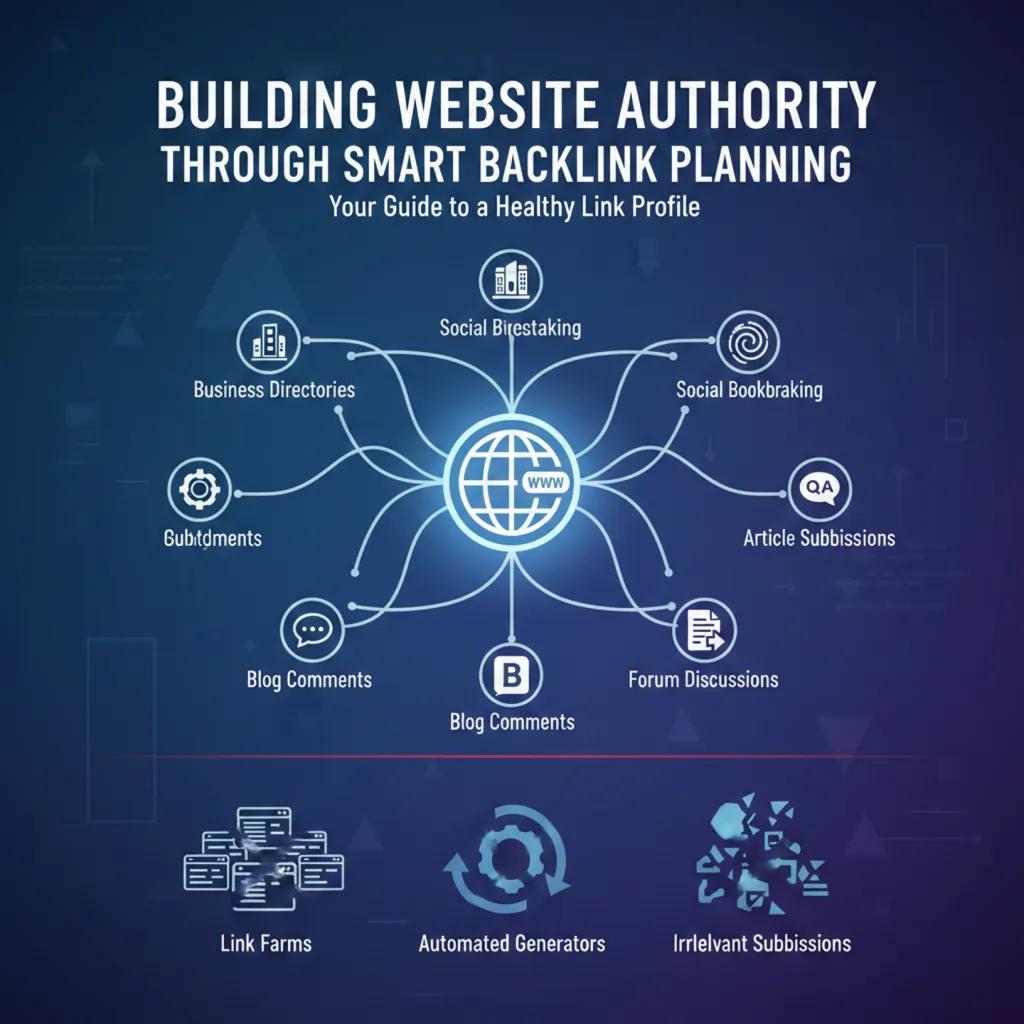
A well-structured backlink strategy includes a diverse range of sources. Diversity creates a natural-looking backlink profile, which reduces the risk of algorithmic penalties. Common backlink sources include:
1. Business Directories Directory submissions allow you to list your website under relevant categories. High-quality directories with strong domain authority can provide stable foundational backlinks.
2. Social Bookmarking Platforms These platforms allow users to share website links and blog posts. Social bookmarking can improve content visibility and assist with quicker indexing.
3. Blog Commenting Sites: Engaging with niche-relevant blogs by leaving thoughtful and meaningful comments can help build relationships and sometimes earn backlinks.
4. Article Submission Platforms Publishing informative, original articles on reputable submission sites can provide contextual backlinks, which are often more valuable than generic links.
5. Forum Discussions Participating in forums related to your niche and contributing useful answers while referencing your website (where relevant) can build authority and referral traffic.
The key principle is diversification. A backlink profile dominated by a single source type may appear unnatural. A balanced mix ensures sustainable growth.
Quality Over Quantity
One of the most important principles in backlink planning is prioritising quality over quantity. A single backlink from a high-authority and relevant website can be more beneficial than dozens of low-quality links. Metrics such as Domain Authority (DA), Page Authority (PA), and spam score should be evaluated before submitting to any platform.
Relevance is equally critical. Backlinks from websites within your industry or niche carry more weight than unrelated sources. For example, a digital marketing blog linking to another marketing website is far more impactful than a random link from an unrelated domain.
Risks of Poor Link Practices
While backlinks are essential for SEO, improper link-building tactics can lead to severe penalties. Search engines have become highly sophisticated in detecting manipulative strategies. Some practices to avoid include:
Link farms and private blog networks (PBNs)
Automated backlink generators
Purchasing low-quality bulk backlinks
Submitting to irrelevant directories
Excessive keyword-stuffed anchor text
Duplicate article submissions
Such tactics may produce short-term ranking improvements but often result in long-term damage. Algorithm updates frequently target unnatural link-building patterns. Websites caught engaging in manipulative tactics may experience ranking drops or manual penalties.
Anchor Text Strategy
Anchor text—the clickable text in a hyperlink—should be used strategically. Overusing exact-match keywords appears unnatural and can trigger penalties. A healthy backlink profile typically includes:
Branded anchor text
Generic anchors (e.g., “click here”)
Partial keyword matches
Naked URLs
Maintaining a natural anchor text distribution helps reduce SEO risk while supporting ranking improvements.
Monitoring and Ongoing Maintenance
Backlink building is not a one-time task; it is an ongoing process. Continuous monitoring ensures that your link profile remains healthy and aligned with best practices. Using SEO tools, website owners can:
Track newly acquired backlinks
Identify lost backlinks
Detect toxic or spammy links.
Analyse competitor backlink strategies.
Measure overall domain growth.
If harmful backlinks are identified, disavowing them through appropriate tools may help protect your website from potential penalties. Regular audits ensure your backlink strategy remains sustainable and performance-driven.
Integrating Backlinks with Content Strategy
Backlinks work best when combined with strong content marketing. High-quality, informative, and original content naturally attracts links. Instead of relying solely on submissions, focus on creating valuable resources such as guides, case studies, and industry insights. When content solves real problems, other websites are more likely to reference it.
Guest blogging on relevant websites is another strategic method of earning contextual backlinks. When done ethically and with high editorial standards, guest posts can significantly enhance authority.
Long-Term SEO Perspective
Building authority through backlinks requires patience and consistency. Immediate results are rare. Sustainable SEO growth occurs when backlink acquisition aligns with high-quality content, technical optimisation, and on-page SEO best practices.
Gradual and consistent link-building efforts signal natural growth to search engines. A steady increase in quality backlinks over time contributes to stronger rankings and improved organic traffic.
Conclusion
Establishing website authority through smart backlink planning is a structured and strategic process. By focusing on relevance, diversification, quality, and continuous monitoring, businesses and bloggers can build a strong backlink profile that supports long-term SEO success. When approached responsibly, leveraging reputable free backlink submission sites can enhance credibility, improve search visibility, and drive consistent organic traffic growth. A disciplined and ethical backlink strategy forms the foundation for sustainable digital authority and competitive advantage in search rankings.